
Bladder Cancer
Bladder cancer is one of the more commonly diagnosed cancers in the United States, with more than 80,000 new cases expected this year. 500,000 bladder cancer survivors live in the United States today.
Bladder cancer is the fourth most common cancer in men and ninth in women. Most cases are diagnosed in patients over the age of 55.
With early diagnosis bladder cancer is treatable.
Bladder cancer can be challenging because of its high rate of recurrence after initial treatment. It also has a high rate of progression to higher grade and stages of disease after initial treatment.
Transurethral Resection of Bladder Tumor
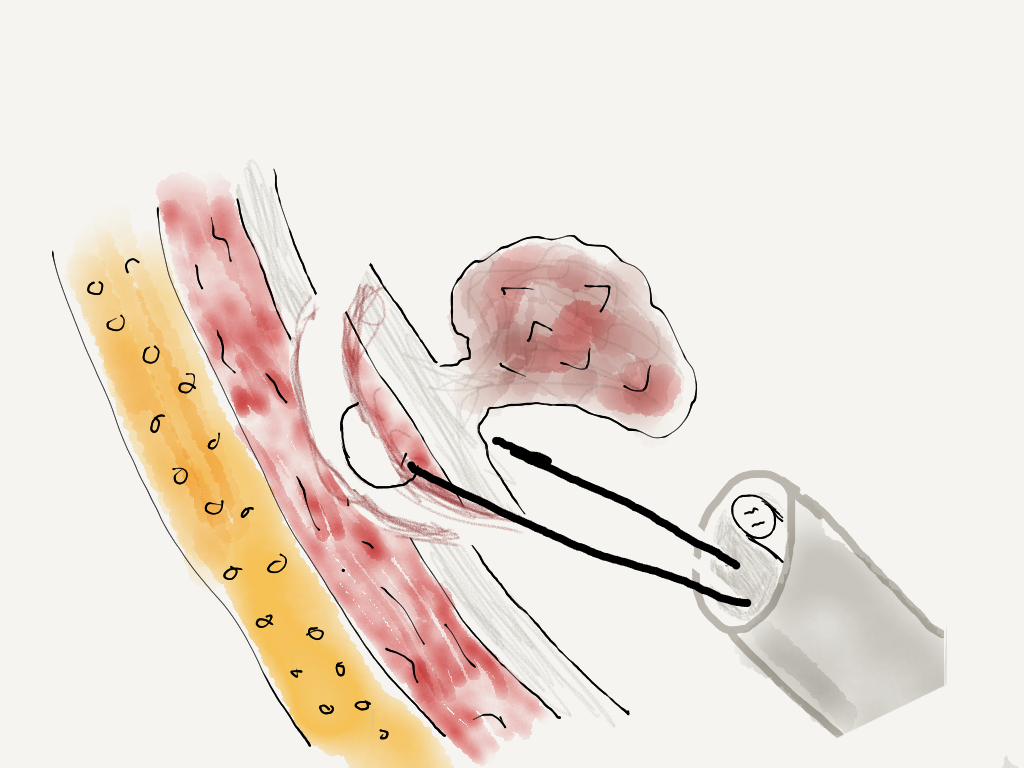
The first step in diagnosis is typically a resection of the bladder tumor, called a transurethral resection of bladder tumor.
The removal of the primary tumor (or tumors) is both diagnostic and therapeutic in many cases. The goal is complete removal of the tumor, including any growth into the bladder wall. The grade and stage of a tumor are determined by what the pathologist sees under the microscope from the resected specimen.
Grade and Stage of Bladder Cancer
The stage of a bladder cancer is the depth of invasion of the tumor. The stage is determined by the pathologist after reviewing the resected tumor under the microscope.
The grade of a bladder cancer is also determined by the pathologist, and is either low grade or high grade. Low grade tumors grow more slowly and tend to not be aggressive or invasive into the bladder muscle. High grade tumors grow more rapidly, have a higher chance of recurrence, and also have a higher chance of progression of the tumor to invade into the bladder wall.

Superficial, Low Grade
Many bladder tumors begin as a polyp, or a papillary tumor (on a stalk). Some are slower growing (low grade). These types of tumors are removed completely by transurethral resection, have low risk of progression, and most often do not need further treatment.
Superficial, High Grade
Tumors that are faster growing (high grade) may still be superficial in nature, and removed completely by a transurethral resection. The high grade tumors must be monitored closely because they recur more frequently and grow faster than lower grade tumors
Non-muscle Invasive, T1
Invasive tumors begin to invade into the bladder wall itself. Invasion into the lamina propria connective tissue layer of the bladder suggest a more aggressive form of the bladder cancer and needs further treatment such as repeat resection of the tumor area, BCG treatments and possible chemotherapy.
Muscle Invasive and Beyond
When a bladder tumor becomes muscle invasive then more aggressive surgery, chemotherapy or radiation treatments are needed.
Advanced, Metastatic Cancer
In advanced disease, chemotherapy is used. Sadly, advanced bladder cancer has a very high rate of morbidity and mortality.
Upper Tract Tumors of Ureter and Kidney
The same type of cells that line the bladder also line the ureter and the kidney. these are tumors that are not as common, but must be treated aggressively.